Blog Tag Archives: legal issues
Part 2: How to Create a New Product with Vervante: Quotes and Content
(Part 2 of our "How to Create a Product From Start to Finish 5-part series) How to Create a Product with Vervante: Part 2 In the second installment of this special series of articles, we will guide you through the next steps once you’ve defined the product you want to create. How to get printing cost quotes Once you've defined exactly what you want to create, you can reach out to our team to find out what it will cost to print it. We provide free quotes, all you need to know when requesting a quote are general specifications. Here are a few examples: Books: Size of book, number of pages, cover type, binding method Card decks or greeting cards: Size of cards, number of cards, packaging Planners or journals: Number of pages, page size, tabs, covers, binding, etc. To request a quote, go to the Vervante website and click on “Get a Quote” in the top right-hand corner. Fill out the required information and you will receive an email response with the quote information. Create a Vervante author account To upload files and order products, you need to create a Vervante author account. It’s free, quick, and easy. Just go to our website and click on Sign Up. Once you’re set up, you can access your Author Dashboard, which is where you can upload files for printing, place orders, and access everything from sales reports to invoice details and everything else you need to manage your account. Writing and creating content No matter what kind of product you are creating - books, planners, card decks, children's books, coloring books, etc. - it's guaranteed that you will need some amount of written content for that product. Content is just as important as design when it comes to creating a product that is both attractive and functional. Here are a few of our tips to give you a head start as you create content for your product: Writing productivity tips: Facing a blank page can be hard, but we've put together a few articles that can help you get into the zone, including: "How to overcome writing obstacles," a fun guide to zombie-proofing your book or product, and our National Novel Writing Month writing productivity guide. The importance of copy editing: Nothing can be more damaging to your products and your reputation than publishing a book or other written product that is filled with typos, errors, and incorrect information. A few mistakes here and there aren't that big of a deal, but consistent misspellings, grammar errors, and incorrect information will distract your reader and leave them with a negative perception of you, your expertise, and the message or information you share. Check out this article to learn more about the different types of editing and how important it is for the success of your product: "The Importance of Copy Editing." Understanding legal issues: Understanding how to protect your unique work and the rules you need to follow is an essential part of being an author and entrepreneur. We've published several resources and multiple blog articles about the most common issues, answering many FAQs that our customers send our way. We've included links below to articles and free guides you can access that will give you a good working knowledge of the do's and don'ts as you create your new product. What to put on your book copyright page: The copyright page is found at the front of the book, usually right after the title page. The format can be varied as there is no single accepted template for copyright pages. Generally, they will contain things like: copyright notice, ISBN, publisher information, contact information, rights and permissions, country book is printed in, author website, credits and disclaimers. Follow the link to this story, "What to Put on Your Copyright Page," and you'll see lots of examples you can use for inspiration. FREE RESOURCES Our Help Page offers a variety of free resources including product videos and guides on everything from design tips to copyrighting. Below are links to just a few of the many guides available: How to Use ISBN, LCCN, and Copyright "Can I Use That Quote?" What Authors Need to Know About Fair Use & Permissions Copyright Permissions and Fair Use How to Write a Children's Book Word Count Conversion Chart Custom-Designed Card Decks How to Create Your Own Coloring Books 7 Steps to Create the Perfect Planner In this section of our special 5-part series, we hope we shared information that has inspired and motivated you to move forward with your idea for a book or special product. Next week, we will cover what you need to know about designing your product, with insider tips to help you through the process. Links to Full Series Article #1: Getting Started Article #2: Creating Your New Product (this article) Article #3: Design and Print Files Article #4: Publishing & Printing Article #5: How to Share & Sell
Read More →
Copyright registration FAQs
You did it! You’ve successfully written and published that book you’ve always dreamed of. Now comes the next big issue, how to be sure that your work is protected by copyright. Here at Vervante we provide copyright services, or you can work with the government directly to secure your own copyright. We've gathered the following information to help you gain a better understanding of what copyright is and how it can protect your book. What is copyright? Copyright is a form of protection grounded in the U.S. Constitution and granted by law for original works of authorship fixed in a tangible medium of expression. What does copyright protect? Copyright protects original works of authorship including literary, dramatic, musical, and artistic works, such as poetry, novels, movies, songs, computer software, and architecture. Copyright does not protect facts, ideas, systems, or methods of operation, although it may protect the way these things are expressed. Do I have to register with the U.S. Copyright Office to be protected? No. In general, registration is voluntary. Copyright exists from the moment the work is created. You will have to register, however, if you wish to bring a lawsuit for infringement of a U.S. work. Can Vervante register for copyright for me? Yes, we can handle the process for you. A Vervante team member will complete the application on your behalf and submit a copy of your book to the Copyright Registration Office. Your book should be complete, available in your Vervante Author Account, and ready for shipping before submitting this request. Here's how it works: Log into your Vervante Author Account and click on Copyright Registration under Publishing accessible via the Services menu. Fill out the form there - all fields are required. Your request will be completed within 10 business days. Your print files will be uploaded to the Copyright Office. You will be charged $95 for this service. In approximately 13 months you will receive the physical certification in the mail. Can I register for a copyright myself? Yes, to file directly with the U.S. Copyright Office website just go to their website at www.copyright.gov and fill out their online application. The online application takes about 15 minutes and there is a fee of $55.00. You will receive a packing slip at the end of the process. This should be printed and a copy of your book mailed to the Copyright Office within 30 days of completing the online submission form. OR, you can upload print files for your product to the Copyright Office. You do NOT have to do both. In approximately 13 months you will receive a certificate of registration in the mail. How much does it cost to file for copyright? Vervante services are $95 (as of September 2021) U.S. Copyright Office fees are $55 (as of September 2021) How soon can I publish my book after applying for a copyright? As soon as you want. Once you have submitted the application and a copy of your book, you do not need to wait for the copyright certificate to proceed with promoting and publishing your book. You are free to log into your Vervante author account to have your book printed and your orders shipped. When is my product copyright protected? Copyright protection exists from the moment the work is created. Do I have to wait for the certificate? You do not have to wait for the certificate. How long does a copyright last? As a general rule copyright protection lasts for the life of the author plus an additional 70 years. I plan on selling and distributing my book in countries outside the United States. Is my copyright good in other countries? The United States has copyright relations with most countries throughout the world, and as a result of these agreements, we honor each other's citizens' copyrights. However, the United States does not have such copyright relationships with every country. For a listing of countries and the nature of their copyright relations with the United States, see Circular 38a, International Copyright Relations of the United States. Bottom line? Your book is the result of your hard labor and intellectual brilliance. Taking the step to protect your work, once you’ve written and published, is quick, easy and will provide peace of mind. For more information or to register your book, go to www.copyright.gov.
Read More →
How to use ISBN, LCCN and Copyright
When it comes to the details of publishing books, planners, card decks and other products, some of the most frequent questions we hear are about things like ISBNs, LCCNs, and copyrighting. We know, all those acronyms can get confusing! So we put together this quick guide for understanding what they are and how they apply to your products to help you with this important part of your next publishing project. ISBN: An ISBN number (International Standard Book Number) is a unique identifier that is assigned to your book or product. The barcode is required to sell products in a physical bookstore. If you are planning to sell your product on your site and on Amazon, you do not need to print or include a barcode on your product. The ISBN is only required for creating the listing on Amazon. You can easily purchase ISBNs through your Vervante author account or directly from Bowker.com. When you purchase an ISBN from us and we list the product on Amazon, Vervante must be listed as the publisher. You are welcome to purchase and supply your own ISBN purchased from Bowker. Including the price in your barcode or printing the price on your book/product is not required. In fact, we don’t recommend printing a price on your book. This gives you flexibility to change the price, if necessary, without effecting the printed product. LCCN: Libraries use the Library of Congress database to stay up-to-date on available titles. You can make it easier for libraries to purchase your book by registering for a Library of Congress Control Number (LCCN) - a unique identification number that the Library of Congress assigns and uses for cataloging and other book-processing activities. You need an LCCN if you have a book that you would like to be carried by a library. You can file for an LCCN online, or Vervante can provide that service for you. Click on the link that says "LCCN Assignment" on your Vervante author home page. COPYRIGHT: We are often asked if its necessary to copyright books and information products. Technically, under U.S. copyright law, your self-published work is protected as soon as you put the pen to paper. Official Copyright Registration, however, gives you a higher level of security when it comes to protecting your work. When you register your work with the U.S. Copyright office, you create a public record of your authorship and are officially recognized as the copyright holder in a court of law. (You can find more details about copyright requirements and protections here.) Filing for copyright is not a requirement to publish with Vervante but we recommend this step to protect your work. You can register for a copyright yourself or we are happy to provide this service for you. Just click on the "Copyright Registration" link on your Vervante author home page to learn more. You do not need to wait for the application to the US Copyright Office to be accepted in order to include the copyright protected statement on your document. COPYRIGHT PAGE: This is not a requirement, however it is a commonly-used page in your product to collect and provide elements such as: full title, subtitle, author’s name, editor, illustrator, etc., published date, ISBN, LCCN, date of publication and copyright. The copyright statement can be as simple as: © 2021 Your Name All Rights Reserved Or you can add additional content such as this: Copyright © 2021 by Author’s Name All rights reserved. This book or any portion thereof may not be reproduced or used in any manner whatsoever without the express written permission of the publisher except for the use of brief quotations in a book review. Printed in the United States of America First Printing, 2021 ISBN 0-9000000-0-0 Your Publishing Name* 123 Main Street City, State 00000 www.YourWebsite.com * As a Vervante customer, you are welcome to list Vervante as your publisher, it is not required. Our products are printed and distributed from our printing and distribution facility in Utah, all products proudly made in the USA. If you use Vervante as your publishing name, you can use the following address: Vervante 224 South Main St #202 Springville, Utah 84663 For more information about copyrights, check out these articles: Copyright Registration FAQs How to Copyright Your Book The biggest thing to remember is that we provide services for all of the above. Just log into your author account home page and click on the links under the "Product Labeling and Professional Service" section to get started. Or send us an email at [email protected], we're here to help!
Read More →
What to put on your book copyright page
One question we hear a lot from our authors is about copyrights. We’ve written several articles about copyrighting books, fair use and permissions, and other legal matters when it comes to publishing, but we thought it would be helpful to talk about the copyright page in your book. The copyright page is found at the front of the book, usually right after the title page. The format can be varied as there is no single accepted template for copyright pages. Just do a quick Google for copyright page samples and you’ll see. Generally, they will contain things like: copyright notice, ISBN, publisher information, contact information, rights and permissions, country book is printed in, author website, credits and disclaimers. Let’s review a few of these in more detail. Copyright notice This is one absolute requirement of a copyright page. The copyright notice includes: The copyright symbol (©) or the word “copyright” The year of copyright The copyright holder’s name or identifier A typical copyright notice will look like this: © 2020 Cindy Tyler Copyrights can have multiple years listed if there are multiple editions: © 2016, 2018, 2020 Cindy Tyler ISBN The International Standard Book Number (ISBN) is a 13-digit number used worldwide by the publishing industry and retailers to identify your book. If you plan to sell your book in stores or online, you must have an ISBN. (You can buy your own at bowker.com or purchase one at a low cost from Vervante. If you purchase your ISBN through Vervante, you are the sole owner of that number and Vervante retains no rights to it.) Rights and permissions This is optional, but useful. Technically, your copyright serves to let people know that this is your protected work, however it can help with “fair use” issues to state limitations of how people can use your book’s content. A very simple statement can be: “All rights reserved.” But a lot of people choose to include copy similar to this: “All rights reserved. No part of this publication may be reproduced, distributed, or transmitted in any form or by any means, including photocopying, recording, or other electronic or mechanical methods, without the prior written permission of the publisher, except in the case of brief quotations embodied in critical reviews and certain other noncommercial uses permitted by copyright law. For permission requests, contact (NAME / EMAIL /ADDRESS / ETC). Disclaimer Whether you are writing fiction or nonfiction, disclaimers are often included by authors on advice from their agents, publishers or lawyers as a way to add a layer of protection if the book’s characters resemble real-life people or situations, or if someone says the book’s content damaged their business, relationship, etc. For fiction, you could write something like this: “This is a work of fiction. Any resemblance to actual events or persons, living or dead, is entirely coincidental.” For a nonfiction advice, how-to or educational book, you could write something like this: “Although the author and publisher have made every effort to ensure that the information in this book was correct at press time, the author and publisher do not assume and hereby disclaim any liability to any party for any loss, damage, or disruption caused by errors or omissions, whether such errors or omissions result from negligence, accident, or any other cause.” For books that provide health, wellness, medical, fitness or similar content: “This book is not intended as a substitute for the medical advice of physicians. The reader should regularly consult a physician in matters relating to his/her health and particularly with respect to any symptoms that may require diagnosis or medical attention.” [[For the record: We are not lawyers and we are not offering legal advice here — any legal concerns and specific language should be directed to a copyright attorney.]] More information Other information we often see on copyright pages includes: Author website and contact information Name of publisher and publisher address Country in which the book was printed Credits for things like photos, design, illustrations, graphics, editing, etc. If you have any questions about your book copyright page or any other step of the process – from editing to design to printing, production and sales, we’re here to help. Just send us an email at [email protected]. We’re here for you!
Read More →
Author Spotlight: Vyana Reynolds
We're constantly amazed by the clever, unique, brilliant and beautiful books and products our customers create. Today we’d like to introduce you to author, mermaid, ocean advocate, mystic, and creator of the Diving into the Divine Feminine collection, Vyana Reynolds. Vyana's story Q: What inspired you to create these products? I found myself hitting bottom AGAIN, even in paradise, with sugar addiction after 46 years! I assumed that once I had transitioned from lawyer to mermaid and retired in Hawai'i, my addiction would magically disappear -- not the case. Having tried EVERY 12 Step program known to man, I gave up. I surrendered to the knowing that I would only find freedom by creating my own program. For me, it must be based not on 12 Steps but 13, inspired by the Divine Feminine. Every day, I awoke and asked the Universe, "What do I need today to overcome this addiction?" Every day, I was given an affirmation, a wisdom story and a power practice to apply to my life. By the end of 13 weeks, I found freedom for the first time in my life. I knew I had to share this method with the world! So, my first book was published with the help of Vervante. Q: What advice would you give other aspiring authors or creatives? Let Vervante hold your hand and conspire to make your products even better! In my case, the CEO suggested that I might also want a matching journal and 91-day affirmation card deck. Voila! In 2 weeks, they were done. Q: What do you love about this collection? Now I can provide an entire support system to those still suffering from addiction. Best of all, these products inspire me to create even more! I constantly recommend Vervante to friends who say, "I've always wanted to write a book, but don't know how to publish it." I recently wrote my first children's book in 3 hours during an airplane ride. In the past, I wouldn't have wasted my time writing a book that I didn't know how to publish. It's so easy now! About Diving Into the Divine Feminine: 13 Steps to Freedom from Food Addiction Tired of struggling with food cravings? Frustrated with diets only to find nothing works, and worst of all, you blame yourself thinking it has something to do with your lack of will power? I answered “yes” to all these questions before I wrote this book. Now, I have found FREEDOM from food addiction without much effort. It feels natural to reach for healthy food. It turns out my addiction had little to do with food. I was surprised to discover the true source of my hunger. My previous food choices were just a symptom of a spiritual hunger that haunted me. Now, I have everything I need and more -- a spiritual center, daily affirmations, powerful practices and stories to remember this wisdom in those moments when old habits want to take over. Diving Into the Divine Feminine: 13 Steps to Freedom from Food Addiction is based on ancient wisdom; connection to your higher power; and a willingness to explore a new future for yourself. Following this program, food is now in its rightful place -- a back seat pleasure, not a driving force. This entire collection is designed to give you the support you'll need to finally end this old pattern and BE FREE! Book Instead of waking up every morning dreading another day of struggle with food, pick up the book and apply the principles. Journal Your unique journey offers many insights. Having a Journal to keep track of them and your progress will inspire you to keep moving forward. Daily Affirmation Cards Allow the images in the 91 Daily Affirmation Cards to further inspire you. Bookmark An inspirational bookmark with vintage key is a symbol of your freedom to create a life you love. Golden Gift Bag In the midst of our negative self-talk, it's easy to forget how beautiful, sacred, and precious we are. Gifts of beauty, such as this golden gift bag serve as a wonderful reminder. Learn more Learn more about Vyana's complete collection here: https://divingintothedivinefeminine.com/freedom-from-food-addiction/ Get your product featured If you enjoyed this article and would like your Vervante product featured in our newsletter and blog email [email protected] with the following information: 250-word overview of your product URL link for the landing or sales page for the product High-res image(s) of the product and/or author Your creativity inspires us and your success deserves to be shared!
Read More →
Can I quote someone in my book? (What authors need to know about fair use and permissions)
“Can I use song lyrics in my book without getting permission?” “What about quoting someone? Is that allowed?” This and other fair use/permission issues are frequent questions we hear from authors wondering what the legalities are for using things like quotes, poems, lyrics, song titles, scriptures, and more in the books and products they are creating. These are good questions and something every writer should have a basic familiarity with. Whenever you want to directly quote, excerpt, or reproduce someone else’s work in something you are writing, you should consider whether or not you need legal permission to protect yourself and your business from potential future problems. Some of the things you may want to quote or reuse will fall under the “Fair Use” umbrella, which means you don’t need permission as long as the way you’re using it does not impede on the owner’s rights. Other things, however, are legally protected by copyright and should only be used after acquiring permission. Q: Can I quote a celebrity or influential person like Oprah or Richard Branson in my book? A: This is one of the most common questions we get. The answer depends on how you are using the quote. A quote used within a book, article or social media post to support the topic in a positive or neutral way is usually OK. Creating something that entirely depends on quotes from other people is NOT OK. Here’s an example: DON’T NEED PERMISSION If you use a few brief quotes by Steve Jobs, Richard Branson and Tony Robbins in a book discussing entrepreneurship, that would fall under fair use. If you are creating a planner or journal that contains quotes as a small part of the product, but it is filled with a lot of other information created by you such as instructions, motivations, education, art, etc., you are probably safe as well. **But be sure to provide attribution – it’s just the right thing to do. More about that below. NEED PERMISSION However, if you write a book of quotes, or create a deck of cards or other merchandise that contains nothing but quotes from celebrities, influencers or other famous people, that would NOT fall under fair use and you DO need permission. The following is a quick roundup of common issues we get asked about and whether they need permission or not. Please note that this is not a full list and we are not copyright lawyers, so it’s best to do further research if you are unsure. This article by attorney Howard Zaharoff in Writer’s Digest magazine called “A Writers’ Guide to Fair Use” is a good resource. Another good one is How to Legally Use Quotations. You can also check out The Library of Congress online search engine for copyrighted works at the Copyright Office website. You DO need permission to use: Song lyrics or poems (even partial ones). Songwriters are very protective of their rights—and permissions can be very expensive and difficult to obtain. There are a couple of exceptions, though: If you’re quoting a song from before 1923 you don’t need permission. All works before then are in the public domain. Hymns that are in the public domain fall under fair use. Not ALL hymns are free to use, though, so be sure to check. If you’re writing song lyrics as part of a scholarly work or a critical review, you may have permission under fair use. Art or photography that is copyrighted. Best practice is to use photos or images that are public domain, licensed creative commons, stock images, or belong to you. Quotes from famous people if they are used as a book title or as a majority of the book contents. Quotes from "new" versions of the Bible published after 1923 (see section below) You DON’T need permission: To use quotes from famous people as long as they are used in a brief and positive or neutral way to support your independent work - and with proper attribution. To quote or reference the title or author of a work such as books, poems, movies, TV shows or songs. To link to something online from your website, blog, book or other publication. To quote books or other works published before 1923 For news stories or scientific studies. Shorter quotes, references and paraphrasing is usually ok without permission. Copying large amounts of a story or study, however, may require permission from the writer or publisher. Most sites have a policies/procedures page that will note their preferences. Recipes (although this falls into a bit of a gray area – for more info read this article by attorney Sara F. Hawkins.) To quote scriptures from Bibles published before 1923 (see section below). Quoting from the Bible Any work published prior to 1923 is in the public domain and falls under fair use. This includes older translations of the Bible including: King James Version Revised Standard Version (but not the NRSV) Duoay-Rheims Young’s Literal Darby JPS Bible (but not the New JPS nor the Jerusalem Bible) However, “newer” versions of the Bible have some pretty strict copyright guidelines and should be researched. Here are a few examples: NIV: https://www.biblegateway.com/versions/New-International-Version-NIV-Bible/#copy ESV (English Standard Version): https://www.crossway.org/permissions/ GNT (Good News Translation): https://www.biblesociety.org.uk/copyright-and-permissions/ All Thomas Nelson Bible translations: New King James Version (NKJV), New Century Version (NCV), International Children’s Bible (ICB), Expanded Bible, or The Voice: https://www.harpercollinschristian.com/sales-and-rights/permissions/ As you can see, permissions vary from translation to translation. For example the ESV allows for the use of 1,000 verses without permission as long as those verses are not a complete book of the Bible or the entire text of the book you are creating. But the NIV allows for only 500 verses. If you plan on quoting from the Bible in your next published work, be sure to research the copyright and permissions guidelines for the specific version you are using. Best practice: Attribution A good rule of thumb, no matter what, is to always include proper attribution when quoting or paraphrasing someone else’s work within your own. Acknowledge the original source of the material, who and where it came from, links to websites if applicable, and your reason for using it. When in doubt When it comes to fair use and permissions, most experts agree: When in doubt, leave it out. Want song lyrics? Make some up that fit what you’re writing. Need an inspirational quote? We’re sure you can think of a great one – and now you’re the quotable person and people will want to quote you in the future! The books and products you’re creating are full of your creativity, passion and ideas. And that’s what people want to hear the most. ** Please note, this article is for informational purposes only and is not to be considered legal advice.
Read More →
The Right Way to Copyright a Book
Copyrights are a wonderful thing. You write a book, or you create a product like a CD, DVD, journal or planner, and you’ve put a lot of time, energy and your own personal knowledge and experience into it. It makes sense that you would want to protect that book or product – and copyright is the way to do it! Official copyright registration with the U.S. Copyright Office creates a public record of your authorship and officially recognizes you as the copyright holder in a court of law. Set it up right and you’ll have the full weight of the government on your side. Set it up wrong, or don’t set it up at all, and protecting your work if it is stolen becomes much, much more complicated. You may think that something like this will never happen to you, but in the U.S. there is over $16 billion in loss of revenue to copyright owners each year, showing that it can and does happen quite often. Think of the hours and effort you put into your most recent book, special report, coaching CD or information product. Now imagine seeing that very same book or product for sale on another person's website. They might change the cover image or title to make it seem different, but inside are your words, your programs, and your original ideas. It’s devastating. We know, because we’ve been through this ourselves. That’s why you need to make sure your copyright is set up the right way. Here’s how to copyright your materials – and one big mistake to avoid Here at Vervante, we offer copyright registration services – or you can choose to set it up yourself. Here’s how, and the answers to some common questions: Vervante copyright services: Log in to your Author Account on the Vervante website and navigate to the "Copyright Registration" page under the Services menu. Fill out the information and submit your request. One of our publishing experts will complete the application on your behalf and submit a copy of your book to the Copyright Registration Office, ensuring that your copyright is correctly set up. Setting up your own copyright: The U.S. Copyright Office website, www.copyright.gov., has an easy online application process. Complete the form provided on the website, pay the application fee, and follow their directions for sending a copy of your book to the copyright office. You can place the order for the book in your Vervante account for this. What does copyright protect? Copyright protects original works of authorship including literary, dramatic, musical, and artistic works, such as poetry, novels, movies, songs, computer software, and architecture. Copyright does not protect facts, ideas, systems, or methods of operation, although it may protect the way these things are expressed. Do I have to register with the U.S. Copyright Office to be protected? No. In general, registration is voluntary. Copyright exists from the moment the work is created. You will have to register, however, if you wish to bring a lawsuit for infringement of a U.S. work. Can I just put the copyright symbol in my work and I’m protected? No. And this is what we really wanted to warn you to watch out for. Merely typing in a © in the title page or anywhere in your product does not give you the full protection of filing with the U.S. Copyright Office. To copyright your materials, you MUST file with the copyright office. How soon can I publish my book after applying for a copyright? As soon as you want. Once you have submitted the application and a copy of your book, you do not need to wait for the copyright certificate to proceed with promoting and publishing your book. You are free to log into your Vervante author account to have your book printed and your orders shipped. How long does a copyright last? As a general rule copyright protection lasts for the life of the author plus an additional 70 years. We hope this helped – and we’re here to answer any copyright questions you might have. Just drop us a line at [email protected] or schedule a phone call by clicking here. Bottom line? Your book is the result of your hard labor and intellectual brilliance. Taking the step to protect your work, once you’ve written and published, is quick, easy and the best way to give you peace of mind.
Read More →
Full service book publishing solutions
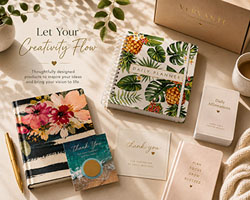
When it comes to books, we love 'em! From that first burst of inspiration all the way through to sales and distribution of the final product, we take joy in helping our clients every step of the way. In fact, we go above and beyond when it comes to books by providing full-service solutions that anticipate and meet every need our authors might have, including: LCCN assignment Copyright registration eBook conversion Word count conversion charts Listing on Amazon for Kindle and printed books List on Barnes & Noble for Nook and printed books Supporting Amazon Bestseller campaigns Both paperback and hard cover formats Printing both on-demand or in bulk Storage in our warehouse for bulk orders Assembling of your book with other products for shipping Wide variety of products that help market and sell your book, including bookmarks, postcards, special event tickets, printed newsletters and more. Check out our special "Fast Track Publishing" infographic by clicking HERE to access our easy-to-follow guide for creating and printing your book - and all the great services we offer in between. Whatever you can think of for your book - including interesting products that will help market and sell it - we've got you covered. Here's to letting your creativity flow!
Read More →
How to Copyright Your Book
Today's subject is something that we wish we didn't need to discuss. But the sad truth is that even though the U.S. Copyright Office has issued more than 33.6 million copyrights to date, the U.S. economy loses $58 billion each year to copyright infringement, including $16 billion in the loss of revenue to copyright owners. If you are the author of a book, CD, DVD or other product that contains your intellectual property, you need to take action now to protect your property. And we're sharing how below. How to copyright your book (or other intellectual property) "Copyright is a form of protection grounded in the U.S. Constitution and granted by law for original works of authorship fixed in a tangible medium of expression." That's a fancy way of saying if you are the author of a product that contains your unique content, then you deserve legal protection from those who would copy or steal it from you. This goes for more than just books, including literary, dramatic, musical, and artistic works, such as poetry, novels, movies, songs, computer software, and architecture, according to the U.S. Copyright Office. Is it really necessary to copyright your book? Technically, under U.S. copyright law, your self-published work is protected as soon as you put the pen to paper. Official Copyright Registration, however, gives you a higher level of security when it comes to protecting your work. When you register your work with the U.S. Copyright office, you create a public record of your authorship and are officially recognized as the copyright holder in a court of law. Wait a minute! How did we end up in a courtroom already? You may think that something like this will never happen to you, but as you can see by the statistics we mention above, it can and does happen quite often. Think of the hours and effort you put into your most recent book, special report, coaching CD or fitness information product. Now imagine seeing your very same product for sale on another person's website. They might change the cover image or title to make it seem different, but inside are your words, your programs and your original ideas. It's devastating. But taking the steps to copyright your content right from the start is the best way to protect yourself and your property from a scenario like this. Here's how: If you want to do it yourself, you can submit your copyright registration online HERE. You will need to fill out an application and pay a registration fee. You will receive a packing slip at the end of the process. This should be printed and used to mail a copy of your book to the Copyright Office within 30 days of completing the submission form. In approximately 13 months you will receive a certificate of registration in the mail. Here at Vervante, we offer copyright registration services done for you. One of our publishing experts will complete the application on your behalf and submit a copy of your book to the Copyright Registration Office. To get this process started, simply log in to your Author Account on the Vervante website and navigate to the "Copyright Registration" page under the Services menu. If you are unsure if your product qualified for copyright registration, check the list also available on that same Copyright Services page. We truly hope that you never have to experience the theft of your intellectual property. But we also know the value of planning ahead and making sure that you are protected, just in case. If you have any questions about copyright registration, or other services we offer for creating, printing, and distributing your products, please email us at [email protected].
Read More →
FAQs: ISBNs, copyrights and general publishing legal issues
Some of the most common questions we hear are about ISBNs, Library of Congress Control Numbers (LCCNs) and other legalities that come into play with publishing. Here is a quick list of FAQs and answers that will help you gain a basic understanding as you prepare to publish your next project. Q: What is an ISBN and do I need to have one? A: If you plan on retail distribution for your book, such as on Amazon or in bookstores, yes, you will need an ISBN (International Standard Book Number). The most important identifier your book can have is the ISBN. ISBNs provide unique identification for books and simplify the distribution of your books throughout the global supply chain. Without an ISBN, your book will not be found in bookstores, whether online or down the street from your house. You can buy your own at www.Bowker.com, or purchase one at a low cost from Vervante – Just log into your Author Account and click on “Purchase ISBN.” Note: If you purchase your ISBN through Vervante, you are the sole owner of that number and Vervante retains no rights to it. Q: Are there steps I can take to protect my book legally? A: Yes, Copyright registration is important and a simple task you should do as soon as your book is complete. For more details and to register your book, go to http://www.copyright.gov/. Q: What about a Library of Congress Control Number (LCCN)? A: The LCCN is a unique identification number that the Library of Congress assigns to book titles. There is no charge for registering your book with the Library of Congress. You can complete the Application to Participate online and you will receive an account and password. Once your book is complete, you can send a copy of the book to the Library of Congress at: Library of Congress, Cataloging in Publication Division 101, Independence Ave. SE, Washington, DC, 20540-4320. The website is at http://www.loc.gov/publish/pcn/newaccount.html Q: Who owns the rights to my book? A: When you self-publish with Vervante, you benefit from our unique system in which you simply grant us the rights to print and distribute the book on your behalf. Our contracts with authors are non-exclusive. This arrangement is rare in the publishing world and is very much to your benefit as the author. You retain all rights as the sole owner of your book. Period.
Read More →