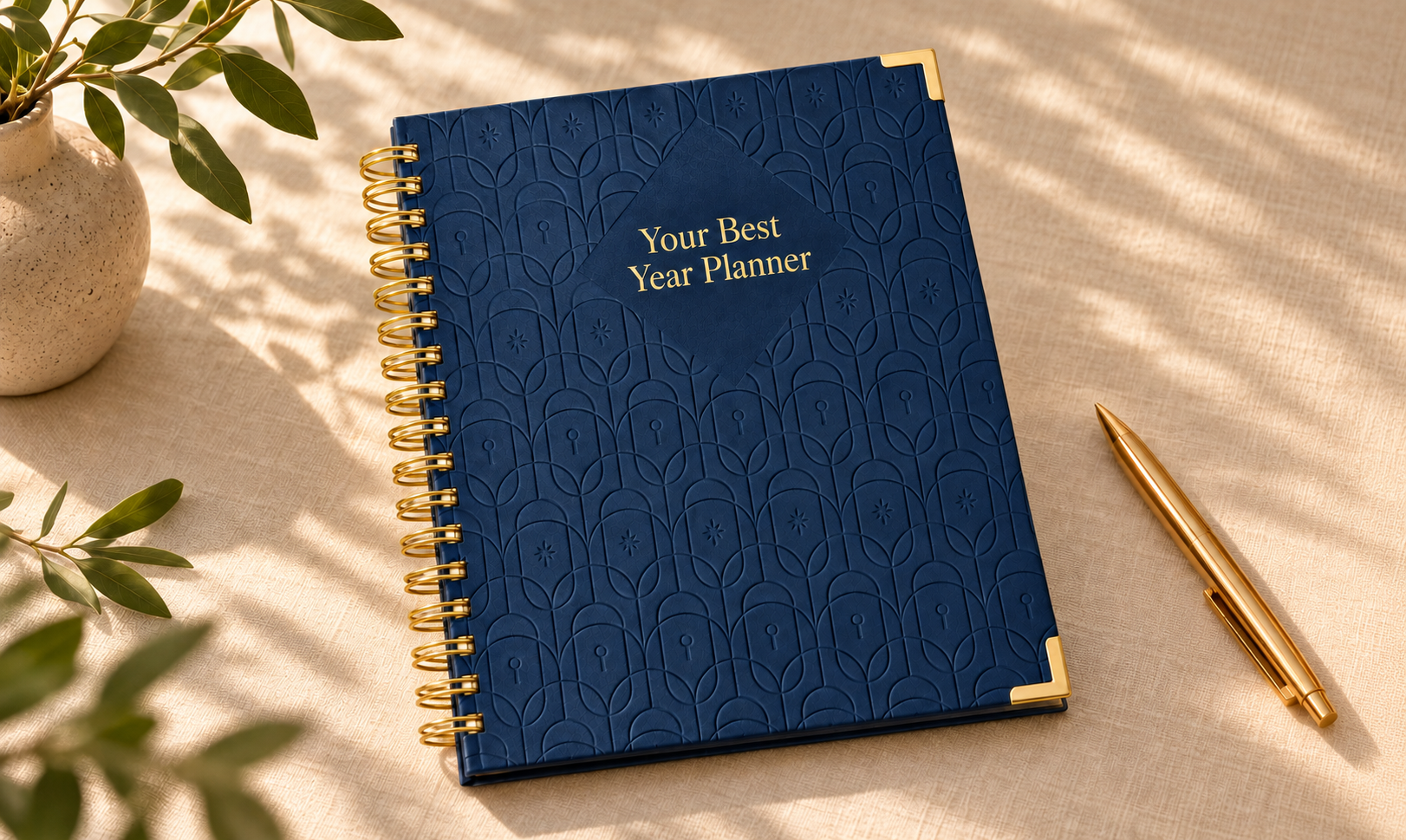
Stock the Parts That Need a Print Run. Print the Rest to Order.
A hardcover has always meant a print run. You commit to a quantity. You receive that many finished books. You sell exactly what you ordered, in the one configuration you ordered it in. If a version does not sell, you own it. If a version sells out, you wait for a reprint. That math has kept a lot of creators away from premium products, and it should have. Committing to a hundred identical finished planners is a real bet on guessing right. There is another way to produce it, and it starts with noticing that a planner is not one thing. Some Parts Need a Run. Most Parts Do Not. A turned-edge hardcover, a foil stamped cover, a custom shaped tab: none of these can be made one at a time. They need a die, a press setup, a run. The calendar pages, the sections your buyer picked, the layout they chose: those are different in every order, and printing them ahead is exactly what leaves you holding inventory you cannot sell. So we stop treating the book as a single object. The parts that need a run are produced once and stocked with us. Everything else is printed the moment an order arrives, pulled together, and bound. Your buyer gets a high-end planner in the configuration they chose. You never own a finished book you have not sold. Two Ways to Run It Covers only. You order the covers ahead, we stock them, and the entire interior prints to order. Simpler, lower commitment, and where most creators start. Covers and components. You order the covers plus the printed pieces that cannot be made one at a time, such as custom die-cut shaped tabs. The variable pages print to order, the components are pulled from your stock, and the whole thing is bound together. Printing those components in batches also lowers your cost per unit. The second path is what makes a genuinely high-end configurable planner possible. Your buyer picks their layout, their sections, their start month, and what arrives is not a printed book. It is a planner with a custom printed hardcover or board cover and custom shaped tabs inside, assembled for that order. Twenty-Five Covers Is Not Twenty-Five Books The minimum is 25 covers per design, per trim size. That is a cover order, not a book order, and the difference is the whole point. A traditional run of 25 hardcovers gets you 25 identical copies. Twenty-five stocked covers can ship as 25 different products: different page counts, different layouts, different add-ons, different start months. One cover commitment carries your whole line. There is no minimum on the buyer orders themselves. Ever. What You Can Order Ahead Four cover types work in this model: Printed turned-edge hardcover, with gloss, matte, or soft-touch lamination. All three finishes cost the same, so the choice is purely how you want it to feel in the hand. Faux leather and faux linen. The material is the finish, so these carry no printed sheet. Every one takes a foil stamp or a deboss to place your title. Board covers in 24 pt, 36 pt, or 48 pt. Thick and substantial, lighter and less expensive than a hardcover case. 36 pt is the most popular weight. 10 mil laminated. Rigid, wipeable, and a long-standing favorite for academic planners. Printed endsheets belong to the cover decision rather than the interior. They are printed and adhered to the cover while the covers are being produced, so specify them when you order covers rather than adding them later. On the component side, tabs are where the line falls. Standard die-cut tabs are produced on demand, so nothing is committed and your buyer can decide whether to include them. Custom die-cut shaped tabs need their own die and cannot be cut one order at a time, so those are printed ahead and pulled from your stock. Printed dividers and section pages follow the same logic. Components carry no minimum and no pick fee. Unlike covers, there is no quantity you have to commit to. The reason to preprint a component is the construction itself, not a volume requirement, though printing them in batches does lower your cost per unit. One Construction This Cannot Cover Concealed wire-o hardcovers cannot be produced this way. A concealed binding is built into the case as the book is assembled, so the cover and the interior have to be finished together. That makes it a traditional print run rather than a stocked cover. Stocked covers are bound metal spiral or exposed wire-o, and trim size can be anything up to 8.5 x 11 inches. Tell us which when you order your covers so they are produced correctly. If a concealed spine is what your product needs, we produce those as finished books in batches. What Stays On Demand Everything downstream of the run. Every page, every page count, every configuration, produced one at a time as orders arrive. Printed pockets and standard die-cut tabs are added on demand with no minimum, so those can stay optional for your buyer. Orders ship in our standard 3 to 5 business day window, the same as any other product we print for you. Producing a new cover design takes about two weeks for board and 10 mil laminated, and three to four weeks for hardcovers. That is a one-time step per design, and the same lead times apply to reorders, which is why setting a reorder point matters. When This Is Not the Right Fit If every copy of your product is identical, a straight print run is simpler and cheaper. This model earns its keep when the interiors differ. One more thing worth naming. A product built this way costs more to make and needs to sell at a price that reflects it, and that price is hard to defend in a marketplace grid where the only visible variable is cost. It belongs in front of your own audience. See How It Works Full details, lead times, and the commitment structure are on our Hardcover Print On Demand page. Send us your cover design, your component list, and your layouts and we will quote the run and the per-order production. Or schedule a call and we will walk through whether your product line fits the model.
Read More →
The Tip-On Photo or Image Cover: A Quiet Detail That Turns a Hardcover Book Into an Heirloom
There is a particular kind of book that stops you when you pick it up. The cover feels substantial. The texture is rich under your hand, woven or grained, calm and classic. And then there is the image, set in a clean, recessed frame on the front, like a small window into the story within. That image is called a tip-on cover image. Some creators call it a mounted image, a tipped-on cover image or photo, or an inset cover image. Whatever the name, it is one of the most beautiful finishing options we offer at Vervante, and one of the most overlooked. What a Tip-On Photo or Image Cover Actually Is A tip-on cover includes a printed image that is film-laminated for protection and then bonded directly onto the front cover of a hardcover book. At Vervante, we deboss the cover first, creating a slight recess sized exactly to the image. It is then carefully placed into that debossed area and glued to the cover material. The result is an image that sits flush with the surrounding cover, framed by the linen or faux leather. It feels intentional. It feels finished. It feels like it was always meant to be there. Why This Detail Matters A hardcover book is already a statement. The weight, the rigidity, the substance of it all signal something different than a paperback or a digital file. A tip-on cover takes that one step further. It introduces contrast: the matte texture of fabric or leather against the smooth, color-rich surface of an image. The eye catches that contrast immediately. The hand notices the difference in texture before the brain even processes it. For creators who care about how their work shows up in the world, that small moment of contrast can be the difference between a book that looks nice and a book that feels meaningful. Where Tip-On Covers Work Best Tip-on image covers pair beautifully with our faux linen and faux leather hardcover books. The fabric or leather texture provides a calm, classic backdrop. The image becomes the focal point. This combination works especially well for: Memoirs and personal stories Photography and coffee table books Anniversary and commemorative editions Signature and limited editions Gift books and keepsakes Family histories and legacy projects High-end coaching workbooks and signature programs If you are creating a book that someone will keep on a shelf for decades, this is the kind of finish that earns the shelf space. Combining Tip-On Images With Other Finishing Details A tip-on cover does not have to stand alone. Many of the most beautiful books we print combine it with several finishing details that work in concert: Foil stamped titles, names, or logos in gold, silver, copper, or custom colors Debossed elements around the title or below the image Ribbon markers in a complementary color Printed endpapers that echo the cover image Dust jackets for an additional layer of polish The image can be a single image, a softly bordered scene, an illustrated panel, or an original piece of artwork. Some creators use a photograph or image from inside the book. Others commission an illustration or use a piece tied to a personal story. The choice is yours, and we are happy to talk through what will reproduce best at the size and placement you have in mind. Binding Compatibility Tip-on covers can be added to hardcovers with PUR, Smyth-sewn, Wire-O, or metal spiral binding. That covers nearly every binding format we offer for hardcover books, so the cover treatment does not lock you into a specific binding choice. A Note on Craft Tip-on covers are not the fastest or the cheapest finishing option. They take more time, more handwork, and more attention than a printed case wrap. That is part of why they feel the way they feel. Vervante has been printing for creators for 25 years. In that time, we have helped first-time authors turn a single dream of a book into something they could hold. We have watched creators print 25 copies, then 250, then 1,000. We have packaged signature editions for coaches and speakers who needed their book to feel like the centerpiece of a body of work. A tip-on cover is one of the small ways we help make that happen. Ready to See One in Person If you are considering a tip-on cover for your next project, we recommend ordering a sample so you can feel the difference for yourself. Photographs do not quite capture what a tip-on cover does in the hand. You can also schedule a call with our team to walk through cover materials, foil colors, image placement, and binding options. This kind of book deserves a conversation.
Read More →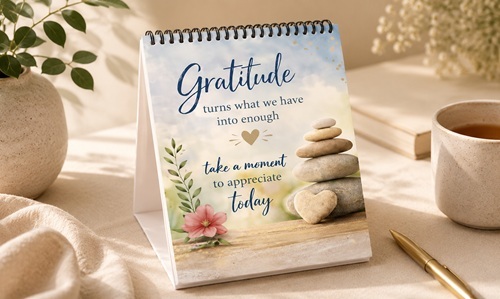
Turn Your Card Deck Into a Flip Book: A Simple Way to Create a New Product
If you have already created a card deck, you may be sitting on your next product without even realizing it. One of the easiest ways to expand your product line is to take the exact same content from your card deck and turn it into a flip book. No new content. No redesign. No starting over. What Is a Flip Book? A flip book is a bound version of your card deck, where each card becomes a page. Instead of shuffling cards, your customer flips through them. Flip books are often designed with an A-frame easel stand, making them easy to display on a desk or workspace. It is a different format, but the same content and intention. No Changes Required to Your Files This is what makes this option so powerful. If your card deck is already designed and print-ready, you do not need to change anything. Your existing PDF can be used to create a flipbook. We simply adjust the layout for binding. That means you can create a second product using work you have already completed. Two Stand Options to Fit Your Product The structure of the flip book matters, especially depending on how it will be used. We offer two A-frame stand options: Standard cover stock base. A lightweight option with spiral or wire-o binding across the top. This works well for most card decks and keeps the product flexible and easy to produce. Turned-edge hardcover base. A more durable, premium option designed for long-term use. This is ideal for perpetual calendar-style products or anything meant to sit on a desk and be used daily. We help you choose the best option based on your content, page count, and intended use. Why Offer Both a Deck and a Flip Book? Different customers prefer different ways of interacting with content. Some love pulling a card. Others prefer flipping through pages. By offering both, you give your customers options while increasing the value of your content. Easy to carry and store No loose cards to manage Supports daily use and pairs well with journaling or reflection practices Built-in easel stand makes it easy to display and reference Can be printed on demand with no minimum order quantity Same Content, New Experience Your affirmations, prompts, exercises, or teaching tools stay exactly the same. What changes is how they are used. A flip book can feel more structured and accessible for daily use, while a card deck offers a more interactive experience. Both formats serve a purpose and can work beautifully together. Simple Ways to Use a Flip Book Once you have both formats, you can get creative: Sell the flip book alongside your card deck Include it in a coaching program or onboarding kit Add it to a welcome box or subscription box Offer it as an additional product on your website Use it as a companion piece to your existing deck A Smart Way to Grow Without Starting Over Creating a new product does not always mean starting from scratch. Sometimes it is about using what you have already created in a new way. If you already have a card deck, a flip book is one of the simplest ways to expand your product line. Want Help Getting Started? We are happy to take a look at your existing card deck and show you how to turn it into a flip book. Or reach out, and we will walk you through it. Want the full guide to creating a card deck? Just getting started? Download our free guide to creating a card deck.
Read More →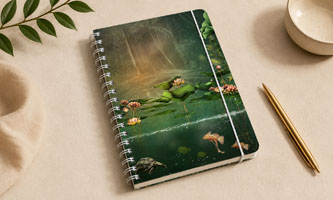
Board Covers for Planners, Journals, and Workbooks: A Durable Alternative to Softcovers and Hardcovers
When creating planners, journals, workbooks, or notebooks, the cover plays an important role in both durability and perceived value. A thin softcover can bend or curl with frequent use, while a traditional hardcover adds cost and longer production timelines. Board covers offer a practical middle ground. They provide the structure and durability many creators want, while remaining faster and more affordable to produce than a traditional hardcover. You can explore the available board cover options here. For many daily-use products, board covers offer the perfect balance of strength, affordability, and professional presentation. What Is a Board Cover? A board cover is created by laminating multiple sheets of heavy cover stock together to form a rigid board. Instead of using a single sheet like a paperback softcover, several layers are bonded together to create thickness and strength. The result is a cover that feels substantial in the hand and holds up well to regular use. Board covers are commonly used for planners, journals, notebooks, and workbooks where durability matters, but a traditional hardcover may not be necessary. Board Cover Thickness Options: One advantage of board covers is the ability to choose the thickness that best fits the product you are creating. 24 pt (2-ply) Two sheets laminated together. This is a great upgrade from a softcover when you want a little more strength without adding too much bulk. Ideal for notebooks and lighter planners. 36 pt (3-ply) Three laminated sheets create a noticeably sturdier cover. This thickness works very well for planners, journals, and workbooks that will be used regularly. 48 pt (4-ply) Four laminated sheets produce a thick, rigid board that begins to feel comparable to a hardcover. This option works well for premium planners, heavy-use journals, and products designed to last. Each increase in thickness adds rigidity and durability, so the right choice depends on how the product will be used. Why Customers Love Board Covers ✔ Durability: The layered construction resists bending and helps protect the interior pages during regular use. ✔ Faster and more affordable than hardcovers: Traditional hardcover books require additional production steps. Board covers provide rigidity and strength while simplifying the manufacturing process, helping keep costs and production timelines lower. ✔ Flexible design options: Board covers work beautifully with planners, journals, notebooks, and workbooks. ✔ Professional finished look: When paired with lamination and specialty finishes, board covers look polished and retail-ready. Binding Options for Board Covers -- Board covers pair well with several binding styles, depending on how you want the product to function. Wire-o binding Plastic or Metal Spiral binding Disc-bound punching Lamination and Specialty Finishes: Board covers can be finished in various ways to enhance both durability and visual appeal. Board covers are usually printed using a coated stock, so there is a slight gloss to our standard paper. We can also add additional finishes: Soft-touch, matte or gloss lamination Foil stamping Embossing Debossing Round Corners Choosing the Right Board Cover for Your Project: When selecting a board cover, consider how it will be used. Daily planners and workbooks often benefit from thicker paper, such as 36 pt or 48 pt. Products that will be carried frequently may also benefit from rounded corners to reduce wear. Budget and timeline are also important factors. Board covers offer a sturdy, professional look while remaining more affordable and faster to produce than traditional hardcovers. Finally, consider the finishing details. Lamination, embossing, foil stamping, and binding style all contribute to the overall look and experience of the finished product. See and Feel the Difference: The best way to understand board covers is to see and feel them in person. Comparing different thicknesses side by side makes it much easier to decide what feels right for your product. You can order printed board cover samples here. Samples allow you to compare thickness options, finishes, and overall feel before committing to production. A Practical and Professional Cover Option: Board covers strike a practical balance between durability and affordability. They provide a sturdy, professional cover while keeping production simple and efficient. For planners, journals, notebooks, and workbooks that will see regular use, board covers are an excellent option that delivers both strength and visual appeal.
Read More →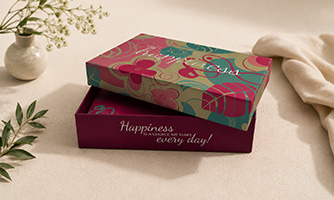
Luxury Two Piece Boxes Are Now More Affordable and Available in Smaller Quantities
We have some exciting news. Luxury two-piece rigid boxes are now available in much smaller quantities. Card decks have always been one of our most popular products. Coaches, authors, speakers, and entrepreneurs love them because a deck creates a daily, hands-on connection with their message. But the experience is not just about the cards. Packaging plays a big role in how your product feels. From Practical to Premium For years, our most common packaging option has been a custom-printed tuckbox. It is practical, cost-effective, and works beautifully for many decks, especially in smaller quantities. We have also offered two-piece rigid boxes for a more elevated presentation. The challenge was that luxury packaging like this typically required minimums of 1000 or more to make sense financially. That has changed. With our new capabilities, we can now produce two-piece rigid boxes in quantities as low as 100. This gives you access to premium packaging without the pressure of a large print run. Designed to Make an Impression Our two-piece rigid boxes can be printed on the inside and outside. You can choose matte, gloss, or soft touch lamination. We can add foil stamping for an extra layer of sophistication. We offer both standard two-piece boxes and neck-and-shoulder styles. Both create a strong visual presentation and a memorable unboxing experience. And these boxes are not just for card decks. They are perfect for planners, journals, welcome kits, or any product that deserves a beautiful presentation. We created a short video that walks through the different packaging options so you can see how everything comes together. 👉 Order a sample 2-piece box 👉 Watch the video If you are ready to create a new deck or upgrade your current packaging, this is a great time to explore these options. Schedule a phone call with us or email [email protected]. We are thrilled to make luxury two-piece rigid boxes more accessible and affordable for our customers.
Read More →
Why Amazon KDP Isn’t Always the Best Choice
Why Amazon KDP Isn’t Always the Best Choice There is no question that Amazon KDP offers reach. Your book is listed in the world’s largest marketplace, and copies are printed near the buyer. For many authors, that convenience is appealing. But convenience is not the same as consistency. We regularly hear from authors who come to us frustrated with: • Inconsistent print quality, such as faded ink, uneven color, crooked trims, or covers that feel thin • Copies that look different depending on where they were printed • Author copies arriving late or missing important launch dates • Limited support when something goes wrong • Negative reviews caused by manufacturing defects When you are building a brand, those issues matter. What Authors Want Instead Most authors tell us they are not just looking for distribution. They want reliability and a book they are proud to hand to someone. Here is what makes the difference. Consistent Quality: Whether you print 20 copies or 2,000, your books are produced to the same standard. Paper, binding, and color are not left to chance. On Time Delivery: If you have a launch, event, or conference, we work backward from your date so your books are ready when you need them. More Flexibility: You are not limited to preset options. We offer custom trim sizes, mixed black-and-color interiors, and finishing options such as foil stamping, embossing, UV coating, matte, gloss, or soft-touch lamination. We can even print and insert bookmarks, letters, or promotional pieces so your book becomes part of a complete branded experience. Amazon is built for efficiency. It is not built for distinction. If quality, timing, and presentation matter to you, let’s create a paperback that reflects the value of what you wrote. Request a custom quote or order samples and see the difference for yourself. At Vervante, every copy matters.
Read More →
Celebrating 25 Years of Printing With Intention
This year, Vervante celebrates 25 years in business. That number means more to us than longevity. It represents thousands of conversations, countless products brought to life, and a quarter century of helping ideas move from inspiration to something you can hold in your hands. Vervante was founded with a simple belief. Printing should support creators, not limit them. From the beginning, our focus has been on listening first, understanding what our customers are trying to deliver, and then helping them create products that feel thoughtful, intentional, and well-made. Over the years, printing has changed dramatically. Technology has evolved. Sales channels have shifted. Expectations are higher. What hasn’t changed is our commitment to craftsmanship and care. Every planner, journal, workbook, card deck, or book we produce still matters. Each one represents someone’s work, message, or livelihood, and we take that responsibility seriously. What has made these 25 years possible is people. Our team. Our customers. The long-term relationships are built on trust, honesty, and showing up when it matters. Many of our customers are first-time creators. Others have been with us for years as their businesses have grown. In both cases, our role is the same. Be a steady, knowledgeable partner who helps bring ideas to life without unnecessary barriers. We’ve always believed that how something is made matters. Printing, finishing, warehousing, and fulfillment all happen under one roof in Utah, allowing us to move faster from print to your customer and maintain tight control over quality. We print in small batches or large runs, ship directly to your buyers, and help creators sell on their own platforms without being boxed into a single solution. As we look ahead, our focus remains the same. Thoughtful growth. Smart investment. Tools and technology that support our team and improve the customer experience, without losing the human touch that defines who we are. We’re here to help creators do meaningful work and put it into the world with confidence. Twenty-five years is a milestone worth pausing for. We’re proud of what we’ve built, deeply grateful for the people who have trusted us along the way, and genuinely excited about what’s next. The best part of the story is still being written. Thank you for being part of it.
Read More →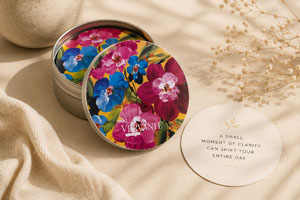
New Card Shapes to Bring Your Ideas to Life
Coaches, authors, speakers, and educators love card decks because they create a daily, hands-on experience with their message. A deck turns ideas into something people can touch, use, and return to again and again. Prompts. Affirmations. Exercises. Teaching tools. A card deck brings your content to life in a simple, powerful way. You Are Not Limited to Rectangles Most people picture a traditional rectangular card deck. That works beautifully. But it is not your only option. We can print cards in unique shapes, including circles and other custom formats. A different shape immediately makes your deck stand out. It adds personality. It sparks curiosity. It makes your product feel more like a keepsake than just a stack of cards. Round cards are especially popular for affirmation decks, oracle-style products, and pocket-sized inspiration sets. Customers love the experience of opening the tin and pulling out something unexpected. We created a short video that walks through these shape options and shows real examples so you can see what is possible. 👉 Watch the video See and Feel the Difference If you are considering a round deck, we have a sample available so you can see and feel the quality for yourself. Holding the product in your hands makes all the difference when you are deciding on size, shape, and packaging. 👉 Order a sample round deck If you have been thinking about creating a deck, this is a fun way to make your product stand out from the crowd. A unique shape can elevate the entire experience and reinforce your brand in a subtle but powerful way. If you would like to brainstorm ideas, schedule a phone appointment with us or email [email protected]. We are always happy to talk through options and help you create something truly special.
Read More →
Amazon Marketplace Changes for Books, Planners, and Card Decks: What Creators Need to Know
If you’ve been selling printed products for any length of time, you may have noticed that Amazon doesn’t work the way it used to, especially when it comes to books. Over the past year, Amazon has made quiet but significant changes that affect how new products can be listed on its marketplace. We want to clearly explain what’s changed, what’s still allowed, and how creators can move forward. Amazon Is No Longer Allowing New Book Listings in the Books Category Amazon has changed how they manage the Books category on its marketplace. At this time, new titles cannot be added to the Books category through Amazon Marketplace. This applies regardless of binding type, print-on-demand vs. products in inventory, or the seller history or longevity. This is not a temporary error or a missing approval step. Amazon has tightened control over book listings and now limits how new books are introduced to the platform. Why This Is Happening: Amazon is increasingly directing books into Amazon-controlled publishing programs rather than allowing third-party marketplace listings. While this shift hasn’t been clearly announced, it has affected many established sellers and publishers. Even companies that have sold on Amazon for decades are seeing the same restriction. What This Means for Print-on-Demand Books: Vervante offers true print-on-demand, meaning books can be printed and shipped one at a time as orders come in. However, even with print-on-demand, Amazon is not approving new book listings in the Books category through Marketplace. If Amazon were allowing new book listings, print-on-demand would work just fine. The limitation is Amazon’s category policy, not the printing or fulfillment model. What Products Can Still Be Listed on Amazon: While books are restricted, Amazon still allows certain non-book products to be listed in other categories. Currently: Planners and Journals may be listed in the Office Products category Card decks may be listed in the Games category These categories are not always an ideal fit, but they are the only options Amazon currently allows for these product types on the Amazon Marketplace. Because category placement affects discoverability and search behavior, we always want customers to understand the tradeoffs before choosing this route. Why Amazon Should Be a Secondary Sales Channel: Amazon policies change frequently and without much notice. For that reason, we encourage creators to think of Amazon as a secondary sales channel, not the foundation of their business. Many authors and creators are shifting their focus to channels where they have more control, including branding and presentation, customer data and email lists, and long-term business growth. Where Creators Are Selling Instead: We’re seeing strong results for customers selling through direct sales and landing pages, online marketplaces like Etsy, TikTok Shop, and Faire, and event-based sales. Our Commitment to Clear, Honest Guidance: We’ve sold products on Amazon for 25 years and continue to monitor their policies closely. If Amazon reopens access to the Books category or expands how products can be listed, we’ll revisit these options and update you. In the meantime, we believe transparency matters. Our goal is to help you understand what’s possible today so you can make informed decisions about where and how to sell your products. If you have questions about print-on-demand, fulfillment, or alternative sales channels, we’re always happy to help.
Read More →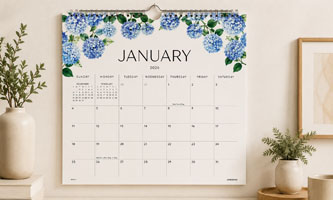
Beyond Planners: Custom Calendars That Keep You Organized All Year
Planners aren’t the only way to stay organized. At Vervante, we print a variety of custom calendars and planning tools designed to help you and your customers stay on top of goals, schedules, and inspiration all year long. Whether you want a large dry-erase wall calendar, a tear-off notepad for weekly planning, or an inspirational daily desk calendar, now’s the time to get them printed. Like all of our products, these tools can be fully customized with your branding, colors, and content, turning everyday organization into a product your customers will actually use and love❤️. Large Dry-Erase Wall Calendars Perfect for offices, studios, and classrooms, our oversized laminated calendars are both practical and durable. • Printed on thick, durable stock and laminated for use with dry-erase markers • Available in any size -- popular sizes are 11x17 and 24x36 inches Tear-Off Calendars & Notepads Practical, motivational, and completely customizable — our tear-off products make perfect desk companions or client gifts. • Create weekly planning notepads or daily inspirational calendars with your content • Add quotes, affirmations, checklists, or guided prompts for each page Whether you’re helping customers plan their week or brighten their day, these tear-off tools are a simple, affordable way to extend your brand and share your message year-round. Easel Frame Desk Calendars A modern take on classic desk calendars — stylish, compact, and functional. • Strong a-frame base with wire-o binding Wall Calendars Our wall calendars are both functional and beautiful, and perfect for offices, studios, or home spaces that need a stylish way to plan the year. • Available as saddle-stitched, spiral-bound, or Wire-o bound with a built-in calendar hook for easy hanging • No pre-set sizes, all calendars are custom printed • Add your photos, artwork, quotes, and branding for a professional, polished look 👉 Start Your Custom Calendar Project Now is the time to get your calendars and notepads into production. These products make fantastic standalone items or perfect companions to your planners. Please let us know how we can help.
Read More →
Your Idea Matters. Create It.
At some point, someone will have an opinion about what you create. A book. A planner. A card deck. A workbook. A welcome box. It might feel uncomfortable. It might slow you down. And sometimes, that fear is the very thing that keeps great ideas from ever seeing the light of day. Here’s the truth we want to remind you of. Don’t let someone else’s insecurity, judgment, or hesitation stop you from creating something meaningful. Most of that noise comes from people who aren’t building anything themselves. And their opinions don’t get to decide what you bring into the world. The discomfort you feel right now is temporary. The impact of creating something tangible lasts much longer. Your idea has the potential to become more than “just a product.” It can support your clients. Extend your message. Create new income. Build connection and credibility. And maybe most importantly, it can move you forward. So if someone thinks your idea is “too much,” “not ready,” or “not for them,” that’s okay. It doesn’t have to be. What matters is that you keep going. You don’t have to do everything at once. You just have to take the next intentional step. Tips for getting started: • Complete our Print with Intention worksheet • Watch a few of our product videos for inspiration • Peruse our Product Catalog for ideas • Schedule a brainstorming call with us or send an email to talk through your idea You’re closer than you think. And you don’t have to figure it out alone. We’re here when you’re ready to create.
Read More →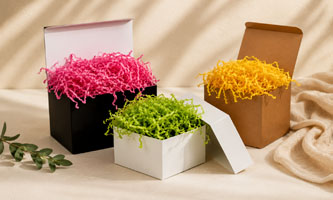
Add a Personal Touch to Every Shipment
It’s the little details that make your customers feel appreciated. When a package arrives with thoughtful extras and personal touches, it creates a lasting connection and shows how much you care. At Vervante, we can help you elevate every shipment with: A printed notecard or letter with your message A custom logo sticker or branded message on the shipping box QR codes that link to a welcome page, thank-you video, or special offer — added to your sticker, notecard, or even the first page of your product. A bit of gift wrapping, like tissue or crinkle paper, for a polished unboxing experience Bookmarks — choose from standard printed bookmarks or snap-in styles for wire-o or spiral-bound products Supplied items such as pens, bookmarks, or branded office supplies that we can include as a thank-you or bonus item A die-cut sticker for personal use — because who doesn’t love a fun sticker? These thoughtful touches make your products memorable and turn every shipment into an experience your customers will want to share. If you’d like to explore ideas for your next order, email us at [email protected] and we’ll help you design the perfect presentation.
Read More →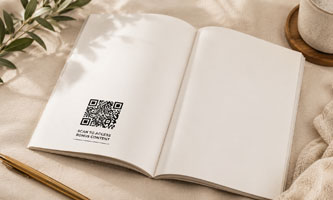
The Value of Adding QR Codes to Your Products and Packages
At Vervante, we love helping our customers create meaningful connections with their buyers. The little details — a thank you note, branded sticker, or thoughtful packaging — can make a big impact. One of the easiest and most effective ways to add that personal touch is by including QR codes on your products and shipments. QR codes are small, powerful, and simple to use. They connect your printed product to your online world, creating a seamless experience that keeps your customers engaged long after they open the box. Easy Ways to Use QR Codes Here are a few creative ways to use them: On the shipping box: Add a branded sticker with a QR code so your customers can scan it before they even open the package. It’s a great way to say “thank you,” give them a sneak peek, or direct them to a welcome video or message. On your notecard or letter: Include a QR code on your printed thank-you or welcome letter to lead customers to a personal video, resource page, or exclusive offer. On your product: Print a QR code on the cover page of your planner, workbook, or journal that links to tutorials, bonus downloads, or your community page. Why QR Codes Are So Popular QR codes have become a go-to marketing and engagement tool for creators and small businesses — and it’s easy to see why: Instant connection: Customers can instantly access videos, pages, and resources that extend their experience with your brand. Trackable results: You can see how often your codes are scanned and learn more about how your customers engage. Affordable and easy: They’re quick to generate, easy to print, and work beautifully on stickers, inserts, or product pages. Professional and polished: Adding a QR code shows that your brand is modern, organized, and intentional about customer experience. QR codes may be small, but they’re powerful tools for adding value, encouraging engagement, and making your brand unforgettable. At Vervante, we can help you add QR codes to stickers, packaging, notecards, and even the products themselves — giving every order a personal, professional touch that keeps customers coming back.
Read More →
Why Printing With Intention Changes Everything
You’re Not Just Creating a Product. You’re Building a Brand. Whether you’re publishing a book, designing a planner, launching a card deck, or creating a full coaching toolkit—what you’re making is more than just a product. It’s a reflection of your voice, your values, and your vision. And how you choose to bring it to life matters. Here’s the truth: At Vervante, we don’t just print. We help creators, coaches, authors, and entrepreneurs craft their products with intention. Books. Planners. Journals. Decks. Boxes. Whatever you’re creating—it’s not just something to print. It’s something to be proud of. We add foil because you want your message to shine. We offer linen and soft-touch covers, gold-edged cards, and custom packaging because details matter. We ship from our Utah-based warehouse with care and precision because your customer experience matters. This isn’t print-on-demand. It’s print with intention. Anyone can upload a file and click “publish.” But not everyone can create a product that makes someone stop, hold it, and say: “Wow—this is beautiful.” The Difference Is in the Details KDP and similar platforms are built for speed, volume, and simplicity. And for some, that’s enough. But if you're looking for more—more impact, more quality, more brand alignment—Vervante is your partner. Because you’re not just printing pages. You’re building trust. You’re delivering value. You’re creating something people will keep, use, share, and remember. Ready to Create Something That Lasts? Let’s make your next product unforgettable. Explore our services and get started.
Read More →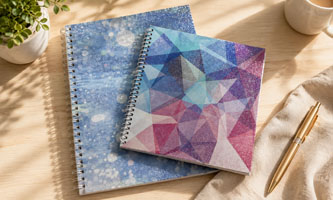
Glitter Covers: Add Sparkle Without the Mess!
We’re excited to share a new way to make your products stand out: glitter cover stock, available in white and gold. These covers add sparkle, texture, and a premium look to a wide variety of products. Whether you’re creating planners, journals, workbooks, notepads, notecards, saddle‑stitched booklets, greeting cards, or bookmarks, glitter cover stock helps your products sparkle and shine. Why choose glitter cover stock? • Gold glitter creates a warm, golden shimmer. • White glitter offers a crisp, icy sparkle. • No flaking, no mess—the glitter is sealed for a clean, professional finish. • Perfect for spiral and wire‑o book covers, planners, workbooks, notepads, notecards, booklet covers, greeting cards, and bookmarks. Flexible cover stock options The glitter stock itself is a 10‑point cover that can be used on its own. For an even more premium result, we recommend creating a 2‑ply litho‑laminated cover: • Combine two sheets of glitter stock for a stunning double‑sided glitter cover, or • Mount the glitter stock to a standard cover stock for a sturdier, more rigid cover. Both options offer a durable, high-end finish with a beautiful sparkle on the exterior. Glitter cover stock can be printed on 8.5x11-inch or smaller sizes, making it versatile for a wide range of products. Want to experience the glitter cover for yourself? 👉 Click here to purchase a sample notepad 👉 Watch our short video
Read More →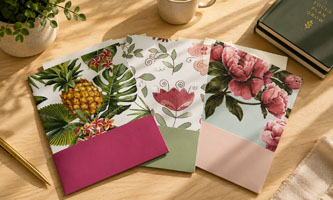
Add Style and Function: Explore Our Pocket Options for Custom Products
Pockets are one of the most popular and functional add-ons we offer at Vervante—and we’re excited to introduce a new option to take your product to the next level: fully printed, double-sided paper pockets. Whether you’re creating a planner, journal, workbook, or hardcover book, pockets are a great way to add both value and personality. Pocket Styles We Offer 🔹 Printed Pockets for Hardcover Products These custom-designed pockets can be printed with your branding or design, die-cut to any shape, and glued to the inside front or back cover of hardcover books. They’re compatible with: Casebound hardcover books Hardcover wire-o or spiral-bound books Perfect for storing notes, inserts, stickers, or other small items. 🔹 Double-Sided Paper Pockets (Now available in full color, custom printed) These are folded sheets, the same size as your interior pages, with 3” tall pockets on both sides. They insert seamlessly into your product and are available in white paper stock, colored paper stock NEW: Custom-printed pockets How to Set Up Your Pocket Pages We’ve created simple, step-by-step instructions for setting up printed double pockets in both Canva and InDesign. 👉 Click here for setup instructions Want to See Examples? Watch a quick video showcasing how printed pockets work and how beautiful they look in finished products. 👉 Click here to watch Pockets are an innovative, stylish way to elevate your printed product, adding functionality and polish that your customers will love. Interested in adding pockets to your next project? Contact us—we’d love to help!
Read More →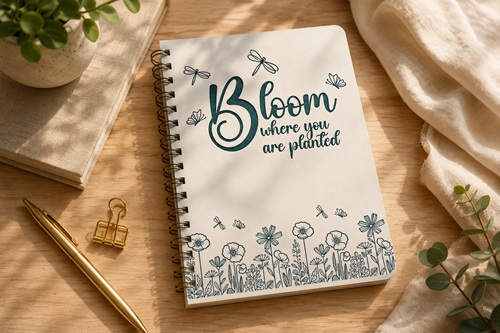
Add Timeless Luxury with Letterpress Printing
If you're looking to elevate your next printed product—whether it's a notebook, journal, notecard, or packaging insert—letterpress printing delivers a level of sophistication that’s hard to match. It’s a tactile, high-end finish that communicates quality and craftsmanship at first glance (and touch). What Is Letterpress? Letterpress is a traditional printing technique with a custom plate pressed into thick, soft paper to create a deep impression. Unlike digital or offset printing, letterpress gives your design actual depth, producing a texture you can both see and feel. It’s a favorite for premium brands, limited editions, and products where presentation matters. Why Choose Letterpress? Letterpress adds timeless elegance to any piece. It’s especially ideal for: Notebook and journal covers – Add richness, texture, and a handcrafted feel Luxury notecards – Perfect for welcome notes, thank you cards, or personal inserts Packaging elements – Instantly elevate the unboxing experience with a luxe detail You can pair letterpress with rich ink colors, foil stamping, and premium cotton or textured papers to match your brand's tone and elevate your product's perceived value. Click here to watch our product video and see letterpress in action. Make a Lasting Impression Whether creating a small-batch journal or crafting a standout client experience with luxury packaging, letterpress offers the premium finish that turns ordinary into unforgettable.
Read More →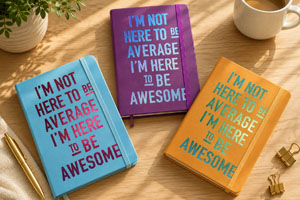
How to Upgrade Your Journals and Workbooks with Premium Finishing Touches
If you're creating journals, planners, or workbooks, the little details can make a big impact. At Vervante, we specialize in custom printing and enhancements that elevate your products from ordinary to exceptional. Whether you're building a coaching kit, creating event materials, or gifting branded journals to clients, here are three simple ways to boost quality, presentation, and longevity—without breaking the bank. Add Elegance with Foil Stamping & Embossing Foil stamping and embossing bring a luxurious finish to any notebook or journal. We can imprint your logo, message, or artwork on journals we print—or on preprinted books you send us. For example, we’ve foil-stamped 5.6" x 8" vegan leather journals sourced from Amazon in over 20 color options. These stylish notebooks, with an elastic strap and pocket, are perfect for training tools, welcome boxes, or high-end gifts. Let us know what you want stamped and how many, and send us the journals—we'll take care of the rest. It’s a quick, affordable way to transform a basic notebook into a branded showpiece. Elevate Softcovers with Linen Cover Stock Linen-textured cover stock is a beautiful upgrade for paperback books, saddle-stitched booklets, or spiral-bound workbooks. The subtle texture and matte finish give your product a sophisticated, tactile feel that’s perfect for high-end journals or coaching materials. It’s one of our favorite ways to enhance softcovers without dramatically increasing cost. Take a look at a video of this cover option HERE. Round Corners for a Professional Finish Rounding the corners of your journal or workbook is a small detail with big benefits. Not only does it look sleek and polished, but it also reduces wear and tear, especially for books that will be used often. This upgrade is available for most products except hardcovers. If you’re ready to add any of these premium enhancements to your next project, we’d love to help.
Read More →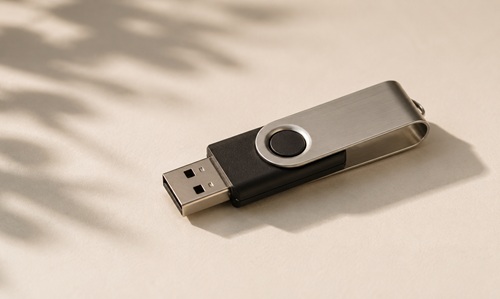
Deliver Digital Content in Style with Custom Flash Drives
If you're looking for a smart, practical way to deliver digital content, branded flash drives are a great option. These small, sleek tools can elevate your customer experience by providing important files—videos, PDFs, presentations, workbooks, or templates—in a tangible, professional format. Whether offering a course, launching a coaching program, or bundling digital bonuses with your print products, a flash drive adds value and polish to your product presentation. Flash Drive Styles & Packaging Options We offer a variety of custom flash drive styles and packaging to fit your brand and product needs: ✔ Business Card Style Flash Drives These slim drives offer generous space for branding and are perfect for tucking inside a book, journal, or planner. Add them to your product using a clear adhesive pocket or package them in: A sleek metal tin box A plastic snap case A branded paperboard sleeve ✔ Swing Arm Style Flash Drives This classic USB style is both sturdy and stylish. We recommend packaging it in a Flash Pack—a retail-ready box with a full-color printed insert—ideal for premium bundles, welcome kits, or product launches. Want to see all your options? Click here to view our USB styles and packaging catalog Let us help you turn digital content into a beautifully branded experience.
Read More →
Boost Your Sales: Selling on Your Website, Amazon, and the Vervante Bookstore
At Vervante, we believe that one of the most valuable things you can do for your business is to build your email list—and the best way to do that is by selling directly from your website. However, adding Amazon Marketplace as a secondary sales channel can increase exposure and visibility. The good news? You don’t have to choose just one. You can sell from your site AND reach new customers on Amazon! For those who prefer a hassle-free option without managing shopping carts, sales tax, or shipping logistics, the Vervante Bookstore offers a simple and stress-free solution. Whether you sell from your site, Amazon, or the Vervante Bookstore, each option provides unique benefits to help grow your business. Expand Your Reach with Amazon Marketplace Selling on Amazon is a powerful way to connect with a broader audience while letting us handle the logistics. Here’s how it works: ✅ We Create the Listing – Provide us with your product details, and we’ll create your Amazon Marketplace listing. You maintain control over pricing, and Amazon won't discount your product. If you have an Author Central account, your Marketplace listings will be linked to your existing KDP products. ✅ Effortless Fulfillment – When a customer orders on Amazon, we print (or pull from your inventory) and ship directly to the buyer, complete with tracking information. ✅ Simple Payment Process – Amazon collects the payment, deducts their fees (15% + $1.80 per transaction) and pays Vervante. We then reconcile these transactions with your monthly invoice, crediting your Vervante account for easy payouts. ✅ Sales Tracking Made Easy – Amazon sales data and website orders will be visible in your Vervante Author Account. However, note that Amazon does not share customer email addresses. Why Use Both Your Website and Amazon? ✔️ Your Website – You control the customer relationship, collect valuable data, and build your brand. ✔️ Amazon Marketplace – Gain exposure to millions of buyers with a hands-free setup and fulfillment process. Why Sell in the Vervante Bookstore? If you want a simple way to sell without handling shopping carts, sales tax, and order fulfillment, the Vervante Bookstore is a great option. Here’s how it works: ✅ Create a Landing Page – Showcase your product, tell your story, and add a ‘Buy’ button. ✅ Redirect to the Vervante Bookstore – The ‘Buy’ button links directly to your product’s page in our bookstore. ✅ Hassle-Free Transactions – We handle credit card processing, print and ship orders (or pull from inventory), and provide customer support. ✅ Sales Tax Covered – We collect and remit sales tax, so you don’t have to worry about compliance. ✅ Stay Informed – We share order and customer information with you so you’re always in the loop. Stress-Free Selling with the Vervante Bookstore For those new to online sales or looking for a streamlined selling process, the Vervante Bookstore makes it easy. We set up your sales pages, process payments, and handle fulfillment, allowing you to focus on growing your business. ✅ Set your retail price and stay in control ✅ Pay a 10% commission plus a flat $2.50 fee per order ✅ Buyers cover shipping costs ✅ We collect and remit sales tax ✅ Online order reports keep you informed Sell More, Stress Less with Vervante! Why limit your sales to just one platform? Combining your website, Amazon Marketplace, and the Vervante Bookstore gives you the best of all worlds—greater visibility, easy fulfillment, and higher profit potential.
Read More →